Q&A With Vikram Ramakrishnan

Vikram Ramakrishnan emigrated from India to the U.S. in the 1980s, and the experience of the Indian diaspora influences his new story “The Abacus and the Infinite Vessel,” his first for Asimov’s. Read it in our [May/June issue, on sale now!]

Asimov’s Editor: What is the story behind this piece?
Vikram Ramakrishnan: In the late 20th century, thousands of Indian families, including mine, immigrated to the United States. I wanted to understand better the tensions these families faced when navigating their roots with a new place. Specifically, I was interested in how extended family reacted to members leaving. From there, I had a vague picture of a mother and daughter fleeing their home because the mother wanted a better life for her daughter. As I worked on the story, I thought about the tensions theyโ€™d have to deal with: deep loss, the stressors of a new land, and the pressures they felt from extended family. I wanted to highlight all these against the harshness of the Martian landscape.

AE: How did this story germinate? Was there a spark of inspiration, or did it come to you slowly?
VR: I was going for a drive with my wife along the Long Island Sound. Itโ€™s a gorgeous drive. You have water on one side and cliffs on the other. We passed a cliff overlooking the water. She told me a story about how immigrant families from India would do religious rituals on that cliff. One of the rituals involves releasing a clay statue of Ganesh, the Hindu elephant god, into the water. It symbolizes the idea of โ€œsamsara,โ€ the cycle of birth, death, and rebirth. That immediately became the seed of the story. I was fascinated about how people bring their cultural practices to a new place. I sketched out a few family scenes and put it aside. In the original draft, the story took place on Earth. One day during a revision, it suddenly occurred to me that the story should take place on Mars in the future. There is something incredibly beautiful about the harsh Martian landscape. I thought it would make an interesting setting. From there, the rest of the story seemed to click. 

AE: Is this story part of a larger universe, or is it stand-alone?
VR: The story is a stand-alone. I hadnโ€™t considered it part of a larger universe, though the more I think about it, I suppose it is part of a larger thematic universe in my stories. Particularly, that of family in times of tectonic technological shifts.

AE: Do you particularly relate to any of the characters in this story?
VR: Being an only child and with parents who immigrated to the United States in the 1980s, I relate to the narrator the most. When I reflect back on that period, I think about the amount of change we dealt with. Moving of course, but also adapting to a new country, a new culture, a new language. I think thatโ€™s one reason I framed the story the way I did, with an older narrator looking back on her childhood. I wanted to evoke a sense of memory-reflection, but also a faint nostalgia for a past thatโ€™s long gone and very different from the present.

AE: Who or what are your greatest influences and inspirations?
VR: I read a chasmic array of authors and styles. I firmly believe there is something to learn from all of them. Some of my favorites are Nicole Krauss and her idea of how we create our own stories; Arundhati Royโ€™s ability to tug your heart around the page; Haruki Murakamiโ€™s playful strangeness; Greg Eganโ€™s science fiction, where heโ€™s able to pick the most important congruent parts of an idea to show us what a potential future can look like; Robert Jordan and his worldbuilding in โ€œThe Wheel of Timeโ€; and Jhumpa Lahiriโ€™s gorgeous prose and delicate language. I get very excited when I come across a new author Iโ€™ve never read.

AE: Are there any themes that you find yourself returning to throughout your writing? If yes, what and why?
VR: Earlier I had mentioned that I seem to write a lot about family. Iโ€™m taking a glance at a Google sheet that I have. In it, I list out stories Iโ€™ve published or am in the process of drafting. I have a column for themes. It strikes me that a family element is central to almost all of them. โ€œThe Abacus and the Infinite Vesselโ€ of course, is about a mother and daughter, but also about tensions within the extended family. Right now, Iโ€™m working on another about two brothers and even one about a found family. There are plenty of stories about families of course. What Iโ€™m most interested in is how family dynamics change when it comes to great technological change. I think thatโ€™s one note I wanted to hit in โ€œThe Abacus and the Infinite Vessel.โ€ Think about modern technologies, say video chat for example. We took advantage of it during the 2020 pandemic to stay close with family even though we couldnโ€™t see them. If we think about medical progress, disease treatment has allowed us more years with loved ones we otherwise wouldnโ€™t have had. What will space exploration do? Iโ€™m interested in how downstream effects of technology will affect our relationships.

AE: What is your process?
VR: Mornings for me are really important. I get up fairly early and plop into the chair in front of my computer. Thereโ€™s something about early morning drafting. Before coffee, before the hullabaloo of the daytime. Thereโ€™s something special about this time. I find my mind more calm, but also making strange and wonderful connections with seemingly unrelated ideas. Itโ€™s a very different mindspace from the rest of the day. So, once Iโ€™m done drafting in the morning, I take my Siberan Husky, Kratos, for a walk. At the moment Iโ€™m in Philadelphia, and itโ€™s springtime. The mornings are crisp, and itโ€™s quite nice with the way the morning sun hits the buildings. After the walk, Iโ€™ll come back, feed Kratos, and make coffee. At this point, Iโ€™m out of my dreamlike state and able to concentrate on the other parts of writing like editing and planning.

AE: What SFnal prediction would you like to see come true?
VR: One thing Iโ€™ve noticed is when science fiction hits mainstream audiences, themes tend to either get watered down or exacerbated. Iโ€™m speaking in broad generalities here. Of course there are exceptions. At the moment, there is quite a bit of attention on dystopias. Movies, books, TV shows. They are all stoking the fears of dystopian outcomes. Fear, of course, is a big driver of human action, and given the state of the world, feeling fear is understandable. I think big producers take advantage of this by seeing how much money dystopian themes bring in, and this drives their decision making to produce more of it. But, Iโ€™d like to see more anti-dystopian science fiction out there. Itโ€™s one thing I love about Asimovโ€™s. There is so much hopeful fiction in its pages. Iโ€™d like to see more of it. So whatโ€™s upstream of anti-dystopias? Science and technology that evokes our curiosity, makes us healthier, helps heal our collective societyโ€™s many scars. I hope to see those come true.


I read a chasmic array of authors and styles. I firmly believe there is something to learn from all of them.


AE: What are you reading right now?
VR: I love learning how stories are told differently, particularly those that break away from the three-act structure we often see. New Directions Publishing deals in books-in-translation. Their editors curate books from all over the world: Germany, Argentina, Spain, Hungary. They have a monthly book club where they send subscribers one of their publications. Itโ€™s a treat to get something completely new in the mail every month. One of their recent selections was Hole by Hiroko Oyamada. Itโ€™s a dazzling fantastical tale set in a familiar home setting, a mix of urban and countryside Japan. It has elements of Alice in Wonderland. I love stories like this that play with reality, evoking a dreamlike state for their readers.

AE: What other careers have you had, and how have they affected your writing?
VR: When Iโ€™m not writing fiction, I write software. Part of writing software is breaking down applications into their core parts. The more I do both, the more I realize good writing is good engineering. In software, you have the ability to look at a piece of code to see how it was engineered. There are certain design patterns that reveal its quality. I canโ€™t pinpoint the exact date, but at some point, it struck me that writing is like this too. You can take a look at a piece of fiction and see the quality of its engineering. I think this is a good analogy for writing fiction.

AE: How can our readers follow you and your writing?
VR: I keep a newsletter at https://vikramramakrishnan.substack.com/ and can be found on twitter at @okvikram.


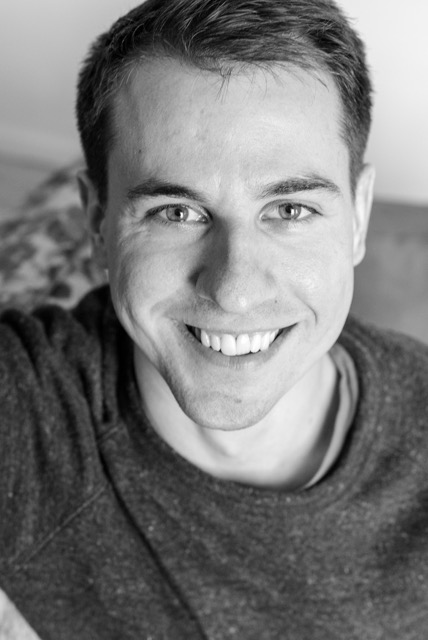
Vikram Ramakrishnan is an alumnus of the University of Pennsylvania and enthusiastic member of Odyssey Writing Workshopโ€™s class of 2020, where he received the Walter & Kattie Metcalf Scholarship. He is the winner of the 17th Annual Gival Short Story Award. His stories have been published or are forthcoming in Meridian, Eclectica, and Dark Matter Magazine. โ€œThe Abacus and the Infinite Vesselโ€ is his first story for Asimovโ€™s.

Q&A With Andrea Kriz

Writer and biologist Andrea Kriz discusses some of her favorite anime series, along with her passion for the French Resistance in this enlightening interview. Check out her new story “The Leviathan and the Fury” in [May/June issue, on sale now!]

Asimov’s Editor: How did this story germinate?
Andrea Kriz: The spark was something I think many people who study the history of the French Resistance wonderโ€”what if the tragedy of Jean Moulin hadnโ€™t happened? What would the future of France have looked like then? I couldnโ€™t find any stories that tackled such an alternate history (but would love to read themโ€”if you know of any and youโ€™re reading this, let me know via Twitter or my website!) so I attempted to write one myself. But it never quite worked. Every time I changed something, something else fell into place to create the exact same outcome. I realized that this was a classic set-up for a time loop story. Who would, if they had the power, most want to repeat that time period and change what happened? What parts of the future would and wouldnโ€™t change?
Another spark was the anime Puella Magi Madoka Magica (warning, spoilers for the series). Madoka made me realize how truly horrifying repeating the same events over and over again, with the aim of saving one “unsavable” person, would actually be. Once hope of an “easy fix” fades, an almost-scientific approach would be needed, altering variable by variable to gradually get closer to the goal. Just like a player speedrunning a video game, the time-looper must decide who or whatโ€™s an acceptable sacrifice while not losing sight of who theyโ€™re trying to save, and the reason theyโ€™re trying to save that person in the first placeโ€ฆ and I think that touches on the history of the history of the French Resistance, what that narrative means to different people, and how certain figures have become symbols, which might be immutable no matter what.

AE: Is this story part of a larger universe, or is it stand-alone?
AK: Not necessarily a larger universe, but this story is linked to two others I wrote: “Resistance in a Drop of DNA”
(https://clarkesworldmagazine.com/kriz_08_21/)
and The Last Caricature of Jean Moulin (https://dailysciencefiction.com/science-fiction/time-travel/andrea-kriz/the-last-caricature-of-jean-moulin). I wrote the other two first, and I see “The Leviathan and the Fury” as the thematic ending to the trio.

AE: How did the title for this piece come to you?
AK: The narrator sees himself as monstrous at this point, after repeating his years in the French Resistance countless times. Heโ€™s made every possible sacrifice and witnessed (if not indirectly orchestrated) every horrific outcome just to see what happens, how that impacts the future. But nobody he interacts with can see the person heโ€™s become as a result of that trauma. They only see him on the surface-level, the person he was in the original timeline. The โ€˜monsterโ€™ beneath that surfaceโ€”thatโ€™s the leviathan. The fury is the spark of what if. And the fact the narrator attributes his time-looping power to not just the fury but also the leviathan, what he sees as his true self and feelings, is the crux of the story and the realization he has at the end.
The title as a whole is a reference to The Sorrow and the Pity, which is a documentary directed by Marcel Ophuls about the German Occupation of France. A man in that documentary is asked about his strongest feelings during the Occupation and he answers โ€œsorrow and pity.โ€

AE: You mentioned animeโ€”can you talk more about which shows inspired you and what youโ€™re watching now?
AK: Like a lot of kids, growing up I watched Gundam and Sailor Moon on Toonami, and Pokรฉmon, which got me hooked on the science fiction and fantasy genres. Later I watched Neon Genesis Evangelion, which basically shattered every pre-existing conception I had of what science fiction could be or the kind of story that can be told in a science fiction setting. I actually didnโ€™t like it at first because of the ending (if you know, you know), but I still think about it years later (and am so glad we also got a satisfying ending with 3.0+1.0). What Evangelion nailed for me was telling a deeply human story with and about aliens and giant fighting robots and the children forced to pilot them. No matter how ridiculous the set-up, I want to do the same in my stories.
More recently, I really enjoyed Eighty-Six, an anime that takes place in a Republic, which forces members of the non-ruling race to fight in a never-ending war. One of the protagonists is a remote “handler” for these conscripted soldiers, an idealistic woman who insists she isnโ€™t racist and cares about those under her command. The other protagonist is the leader of the squad under her command, who drove the previous handler insane. Itโ€™s an intense deconstruction of armchair activism, the savior trope, how democracies become deeply flawed and what changing that from within actually looks like.


What Iโ€™ve found most important is letting yourself write what you want to write, even if it seems weird or like no one would understand why youโ€™d want to write about that (after all, who wouldโ€™ve guessed a biologist would be writing about the French Resistance . . .).


AE: How do you deal with writersโ€™ block?
AK: Often itโ€™s going back to the spark of the story and thinking about if the work-in-progress is losing steam because itโ€™s straying from that, if bringing it back to that will help move things along. Or taking a break and writing something fun and unrelated. Finally, remembering that any progressโ€”even moving a punctuation mark, or just thinking about the work-in-progressโ€”is progress and thatโ€™s moving forward.

AE: What inspired you to start writing?
AK: I found that the scientific journal Nature actually published flash fiction on its last page in its Nature Futures section (which continues online now). Back then, I hadnโ€™t even known it was possible to write a science fiction story in such a short space! I started writing flash myself, had my first piece accepted by Nature Futures . . . and here I am now.

AE: If you could choose one SFnal universe to live in, what universe would it be, and why?
AK: I actually think way too much about living in the Pokรฉmon world, probably because I spent so much time playing Pokรฉmon games growing up. If anyone is interested, my Pokรฉmon team would include Dragonite (flying and battling) and Poliwag (so freaking cute!).

AE: Do you have any advice for up-and-coming writers?
AK: Donโ€™t feel like you have to write about a certain topics because thatโ€™s where your expertise or background is. Not to say itโ€™s not wonderful to write science fiction that draws on your expertise or backgroundโ€”but Iโ€™ve found that because these things are so personal they can actually be more difficult to draw inspiration from. And this was frustrating for me, especially when I first started writing. Be patient with yourself. What Iโ€™ve found most important is letting yourself write what you want to write, even if it seems weird or like no one would understand why youโ€™d want to write about that (after all, who wouldโ€™ve guessed a biologist would be writing about the French Resistance . . .). And if you want to write stories based on your expertise and background, those will come too. Write them on your own terms. Donโ€™t let anyone tell you that readers will only be interested in your story if you write about x in y way because youโ€™re z.

AE: What other careers have you had, and how have they affected your writing?
AK: Iโ€™m a biologist. I recently got my PhD and am now working as a research fellow, studying the epigenetics of human neurodevelopment. Iโ€™ve found both doing science and writing science fiction require creativityโ€”albeit channeling it in different ways. When I come up with an imaginative idea in my science career, I then work on experiments to either support or disprove that hypothesis. If the hypothesis is not supported, its gets discarded and replaced with a hypothesis consistent with the data. But in fiction, even if the idea is not plausible I can sometimes write a story based on it, I can create a world and society where that idea is plausible.

AE: How can our readers follow you and your writing?
AK: You can find me on Twitter @theworldshesaw and online at https://andreakriz.wordpress.com/


Andrea Kriz is a writer and biologist from the greater Boston area. Her work has appeared in Clarkesworld, Lightspeed Magazine, and Fireside Magazine.

Dreaming “Aurora”

The world of sleep is both fantastical and fleeting, but can be the source of some of our greatest creative ideas. In this blog post, Michael Cassutt discusses the dream that inspired his story “Aurora.” Read it in our [March/April issue, on sale now!]

by Michael Cassutt

Iโ€™ve been writing fiction for a long time, easily fifty years, and have had story concepts find me in a variety of ways. Sometimes itโ€™s through a song lyric, at other times itโ€™s a passing phrase. Frequently itโ€™s an image in a magazine or on-line.

Iโ€™ve also gotten ideas from other fiction, seeing some SF notion and deciding, in my infinite wisdom, that it was wrong or incomplete, and that I could do better. (Iโ€™m actually writing one of those now.)

Almost all of these inspirations are gifts. Iโ€™ve never been in the position where Iโ€™ve had to brute force an idea for an SF story because I need to write one and get paid.

(That torture is more common in the world of series television, but the less said about that the better.)

Making the transition from concept to complete story can be a gift, too.

One year my parents gave me a picture book titled Stillwater: Minnesotaโ€™s Birthplace, which had an image and a few paragraphs on a man named John Jeremy, who was famed as a corpse fisher. (Apparently Stillwater, a logging town on the St. Croix River, suffered a lot of drownings.)

While getting ready to leave home for work that morning (I was then employed by CBS TV) a complete story about John Jeremy appeared in my mind along with the opening line.

That night, part-time writer that I was, working 2-3 evenings a week, I sat down at my IBM Selectric III and in ninety minutes wrote the entire 3,800-word text of โ€œStillwater, 1896″), far more than I usually wrote in any single session.

It sold on its second submissionโ€”the first rejection came from The New Yorker, the only time I was brave or ambitious enough to attempt that market โ€“ to a horror anthology series called Shadows, edited by Charles L. Grant. And over the years it was picked up for six different anthologies. I still make a few dollars on it every other year.

But this swift, productive origin never occurred again. Like most writers, possibly all, I find notions or images in dreams, too, but usually some barely-remembered fragment. It isnโ€™t a common source of stories, unless you happen to be A. E. van Vogt, the no-longer famous author of Slan and World of Null-A from the 1940s.

Van Vogt developed a method of shaping dreams in order to generate fantastic concepts. On selected nights, having mercifully located himself in the second bedroom in his residence so his wife would not be disturbedโ€”

โ€œI set the alarm to ring in one and one-half hours. When it awakened me, I reset the alarm for another one and one-half hours, thought about the problems in the story I was working onโ€”and fell asleep. I did that altogether four times during the night. And in the morning, there was the unusual solution, the strange plot twist.โ€

As anyone whoโ€™s ever read a van Vogt story can tell you, frequently some really strange plot twists.

This is the kind of insane stratagem you invent when you are supporting yourself as a pulp SF writer in the 1940s.

Which is, now that I think about it, a lot like supporting yourself as a writer for TV series in the late 20th and early 21st Centuries, where you often have to come up with an episode concept today, not tomorrow.

However, โ€œAurora,โ€ my new story in the March/April 2022 Asimovโ€™s came to me in a fabulously detailed and complete dream.


Like most writers, possibly all, I find notions or images in dreams, too, but usually some barely-remembered fragment.


I was somewhere in a northern climate, an empty steppe, at a research facility. I knew that I was involved in astronomy because I was looking at images from space, specifically at an object in the solar system that was shaped like a table-top, not a sphere or a shard of rock.

Also that it was icy.

And on a collision course with Earth.

I remember being alarmed, an unpleasant dream stateโ€”which makes me wonder if this was actually a nightmare.

But then, with one of those dream-like leaps that defy logic, my team and I were beaming a laser at the Object, and its surface was boiling, changing its trajectory.

(Certain other details followed, but I withhold them because they are part of the reading experience.)

When I awoke I not only remembered all this detail, something I rarely do.

I also knew it was a story, and I even had a title: โ€œReciprocal.โ€

Much like my experience with โ€œStillwater 1896,โ€ it was a simple matter to simply sit down and write it, which, less than a week later, I did.

Identifying the setting was easy . . . in my mind, the landscape was always northern Russia at a remote scientific installation. Iโ€™ve been fascinated with Russian/Soviet science and technology, especially space-related, since I was in my teens. Not only have I read a lot on the subject, twenty-some years ago I had the good fortune to travel to Russia and visit several high-tech facilities.

Iโ€™ve also interviewed or had conversations with perhaps two or three dozen workers in those facilities, too, so possessed some idea of that life might be likeโ€”the residences, the isolation, the lack of shopping or entertainment (as we would expect it in the U.S.), the crumbling infrastructure and, well, the rampant alcoholism. (I had heard credible reports of former cosmonauts, those who trained for decades and never got into space, stumbling the streets drunkenly at all hours. One was struck by a car and killed. Another died after consuming wood alcohol.)

Which gave me a possible character in Vera Kuznetsova, a retired physicist and facility director. In order to connect her to the storyโ€™s core problem, I bestowed her with institutional memory that her successors in the 21st Century would lack . . . especially those who had evolved in a world where people were routinely โ€œenhanced,โ€ that is, possessing neuro connections to a global data network.

Looking at โ€œAuroraโ€ and its dream origins with a yearโ€™s perspective makes me wonder why I had such a detailed vision. I suspect it was drug-related. During most of 2019 and all of 2020 I was dealing with a medical condition that defied easy diagnosis or even description, though my doctors and I have agreed on โ€œallergy-asthma.โ€

What I was doing was ingesting a lot of medications. And they often affected my sleep and surely my dreams.

Iโ€™m in better shape now and, like every writer I know, always eager to repeat a proven method for generating stories, especially when swift and painless.

No, no, going back on those drugs is a bad idea, right?

But there is the van Vogt methodโ€”


Michael Cassutt is a science fiction writer who has previously worked in television production and screenwriting. His work, including over 30 short stories, has previously appeared in Asimov’s, The Magazine of Fantasy & Science Fiction, and elsewhere.

Your Truthful Sister

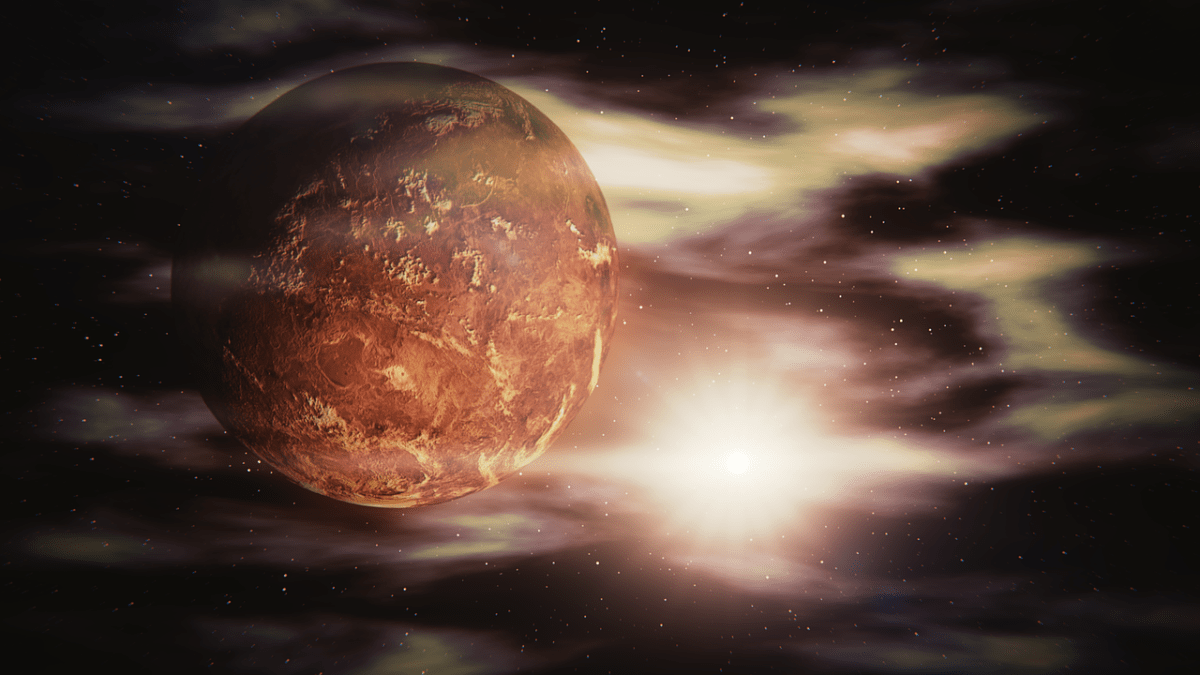
Christopher Mark Rose believes that humans should look more toward their nearest neighboring planet for inspiration and future exploration. His new story “Venus Exegesis” uncovered the mysteries of that yellow planet, and it appears in our March/April issue [on sale now]!

by Christopher Mark Rose

Iโ€™m reluctant to speak for stories that should speak for themselves at this point in my development as a writer. “Venus Exegesis” is more than a simple story though. Itโ€™s asking you to believe something, or at least consider the possibility of something outlandish. Itโ€™s a big ask.

I think Iโ€™d be glad for the idea at the core of this storyโ€”that Venus harbors evidence of past life, perhaps intelligent life, on its surfaceโ€”to be proven wrong, though I am doubtful that that could be done conclusively, or any time soon.

Such “disproven” stories hold a ghostly potency, pointing to futures that are no longer accessible from the timeline we are now on. I think of Greg Bearโ€™s early story, “A Martian Ricorso,” which imagined a quite animated and apparently intelligent life form on the surface of Mars, building canals. That story was published just months before the Viking probes landed on the red planet.

Let me say first that I am not a scientist in any formal sense. It was and is difficult for me to give myself permission to write in an authoritative voice about astronomy, ecology, and especially climate change. I have no special knowledge or privileged viewpoint on these things.

Also, Iโ€™ve not been a very convincing proponent for fighting climate change. I realize the hypocrisy in this stance. I still drive a gasoline car. I donโ€™t own any solar panels. I have walked in the March for Science in DC, but not with much hope of any specific outcome from my presence there.

But I can say truthfully that it has vexed me, as a kid and as an adult, what a huge amount of effort has been paid to exploring Mars, by NASA and the astronomy community generally, when it seems clear to me that Venus has far more to teach us.

It may have simply been a matter of doing the easier thing first. Venus is not the easiest place to get to, or to get around onโ€”or even exist on, for very long. I think of the Venera probes, the longest-lived of which functioned for two hours on the planetโ€™s surface. Someday, perhaps, humans will discover the blobs of metal and semiconductor that those probes eventually became.

But I think itโ€™s more than that. As I get older, I am less and less a fan of looking in the mirrorโ€”of seeing what has happened to me, what changes age and poor habits have made to my face, to the rest of me. The reflection might show me some weariness, droopiness, the effects of various indulgences; some minute amount of guilt is hidden there too.

Sometimes, itโ€™s better not to look.

And I get the feeling that Venus is like that. A massive blind spotโ€”the closest planet to our own, a mirror of sortsโ€”a kind of spiritual and literal sister gone wrong, a warning and a reproach.


But I can say truthfully that it has vexed me, as a kid and as an adult, what a huge amount of effort has been paid to exploring Mars, by NASA and the astronomy community generally, when it seems clear to me that Venus has far more to teach us.


If youโ€™re lucky in life, you have one sibling that you can go to to get the truth, regardless of the state of your life or theirs. Earth is lucky that way.

The connection between Venusโ€™s runaway greenhouse effect and our own, human-made climate change seems appallingly plain to me, and a terrible warning. I wanted to raise a voice to draw attention to the lessons Venus that might be whispering to us.

But I think the trick of it, of inserting into a story any message that involves even a tacit appeal to the reader, is to create around it a story thatโ€™s engaging enough that the message is hidden in the background. I hope Iโ€™ve done something like that here.

We fiction writers are, on the surface, so powerless. We are putting words on pieces of paperโ€”the most unobtrusive, quiet, ignorable act one could imagine. But our writing can speak with its own voice, and if itโ€™s compelling enough, and truthful enough, we can have faith that it will find an audience.

I look around and see that, in aggregate, weโ€™re creating a generation of work, at least, in which climate change is the central feature. Iโ€™m glad to be a part of that work. It makes me hopeful that my children, and the children of our time, will know what the deal is with climate change, will know that their happiness, and the lives of future generations, will depend on the choices we, and they, make.


Christopher Mark Rose (curiousful.wordpress.com and Twitter @CChrisrose) lives in Baltimore with his spouse, two children, and one crazy dog. He is a founder of, and impresario for, Charm City Spec, a reading series in speculative fiction. The authorโ€™s own fiction has appeared in Escape Pod and Interzone; and heโ€™s sold nonfiction and poetry to Uncanny and Little Blue Marble. 

Q&A With Peter Wood

Author Peter Wood loves to plumb the depths of the human condition, and hates the sexism of the Golden Age of Science Fiction. Discover more about Peter in this interview. His new story “Quake” appears [in our March/April issue, on sale now!]

Asimov’s Editor: What is the story behind this piece?
Pete Wood: My wife and I vacation with family and friends several times a year in Boone, North Carolina. In warmer weather we tube down the New River. My mind wanders on these trips.  I tend to write about places Iโ€™ve been. I started researching the geology and history of the river as I read about a very interesting historical site in Ohio. Things just fell into place. And Iโ€™m a big fan of WKRP in Cincinnati.

AE: Is this story part of a larger universe, or is it stand-alone?
PW: Itโ€™s a standalone story. My stories donโ€™t overlap except that on occasion there might be an Easter Egg from a previous story or two, but nobody would catch those except me.

AE: Who or what are your greatest influences and inspirations?
PW: There are almost too many to mention. First, it would have to be lighthearted Golden Age Science Fiction. Two of my writing heroes are Robert Sheckley and Jack Finney. Most of their stories are positive and somewhat comic. “Skulking Permit,” by Sheckley, is the perfect science fiction story. Funny. A great villain. Humans acting very human. “Salting the Mine” (Asimovโ€™s, January/February 2019) is my homage. My only beef about the Golden Age stuff is that they tend to be pretty sexist with only peripheral female characters. I try to have strong female characters in my stories.
My other inspirations are literary non-speculative writers who can suck you in with a story about almost nothing. Anne Tyler is my favorite writer. She crafts page turners about very ordinary people doing very ordinary things. Breathing Lessons is full of great characters, plot, and suspense even if itโ€™s about a married couple having an argument on a car ride. Then thereโ€™s Margaret Atwood, whose intense character studies in books like Catโ€™s Eye (with a plot that sounds not that compelling) are master classes. Or Ernest Hemingway who wrote the greatest book of all timeโ€”The Sun Also Rises which is about a bunch of drunks fishing and playing cards in post-World War I Europe but is the greatest book about the War ever written. 

AE: How much or little do current events impact your writing?
PW: Current events donโ€™t really affect my writing except for occasional political satire. And those are really attacks on the political process where I highlight the absurdity of politicians going out of their way to find uncommon ground. Stories to me are an escape. I like to highlight the human condition and show that people can work together, and problem solve and are inherently flawed and likable. My characters donโ€™t argue or bang their heads against the wall for entire stories, because I see enough of that in real life. If I canโ€™t solve my own problems, at least I can give my characters happy endings.

AE: Are there any themes that you find yourself returning to throughout your writing?
PW: I donโ€™t know if youโ€™d call them themes, but all of my stories have two things in common. Humans are always going to be human no  matter where, no matter when. We wonโ€™t all become atheistic drones, popping food pills and wearing silver unitards. Weโ€™re going to have the same problems and the same lovable foibles. Read the Iliad or the Bible. Weโ€™ve been struggling with the same shortcomings for thousands of years and colonizing other planets isnโ€™t going to change any of that.
The other thing is that weโ€™re going to find a way to get along. Whatever happens, weโ€™re not going to devolve into Mad Max. Letโ€™s face it. If it was our nature to break into warring tribes who raped and pillaged whenever the chips were down, we never would have developed civilization in the first place.


My characters donโ€™t argue or bang their heads against the wall for entire stories, because I see enough of that in real life. If I canโ€™t solve my own problems, at least I can give my characters happy endings.


AE: What is your process?
PW: Characters first. I come up with a germ of an idea, set it aside and then create the characters. I figure out what makes them tick, thrown them into the story and see, based on their personalities, where the story takes me. I donโ€™t care how mind-blowing your big idea is, if your characters are driven by the idea and not the other way around, Iโ€™m not going to like the story. Iโ€™d rather read a story where the characters get out of the haunted house than one where they keep returning, because thatโ€™s where the author wants them to be.

AE: How do you deal with writersโ€™ block?
PW: I move onto something else. I donโ€™t force it. I have plenty of things to do- work, mowing grass, or other storiesโ€”where I donโ€™t have to try to strong arm a story to work. The story will come to me when I am not thinking about it. Many of my best ideas pop up when Iโ€™m running. Asimovโ€™s rejected “Never the Twain Shall Meet” (Asimovโ€™s May/June 2019)but said theyโ€™d look at a revision. I left that story alone for almost a year, before the plot resolution occurred to me. Have patience.

AE: How did you break into writing?
PW: Iโ€™ve been writing since I was a little kid. I had a steady gig as a columnist at Wake Forest Universityโ€™s Old Gold and Black, my college newspaper, and did movie reviews for several years at the Courier Herald in Dublin, Georgia. I kept writing fiction but didnโ€™t submit a story until about twenty years ago. After some form rejections, I decided to improve my writing. Only when I figured out what I was doing wrong did I very gradually start to sell stories in 2009.

AE: What other projects are you currently working on?
PW:

Podcasts! I have three fiction podcasts in the works, all in various stages of completion. I am fortunate to know some very talented actors in Raleigh who make my writing shine. Seth and Rebecca Blum starred in my movie Quantum Donut, as well as the audio version of “Robots, Riverboats, and Ransom in the Regular Way” (Asimovโ€™s, May/June 2018). Dawn of Time, about a plucky teenager with a time machine is a collaborative project where I serve as story editor. Itโ€™s written and recorded and will be online sometime in 2022 on Stupefying Stories. Rex Jupiter, Intergalactic Plumber, another collaborative project, is almost complete and will be recorded soon. The third podcast is being shopped around for a home and is completely my brainchild.
I am also collaborating with six other authors, including Asimovโ€™s alum Jonathan Sherwood, on The Odin Chronicles, a loosely connected collection of short stories about life on the distant mining planet of Odin. Stories are being released weekly on Page and Spine Fiction Showcase (www.pagespineficshowcase.com) We plan to publish an eBook in the fall.

AE: If you could choose one SFnal universe to live in, what universe would it be, and why?
PW: I like the universe of the original Star Trek. These are people Iโ€™d actually like to hang out with. Theyโ€™re easy going, have good senses of humor, and live in a predominantly positive world. A very sexist world, alas. Iโ€™d like that to be changed.

AE: What are you reading right now?
PW: The Clock Winder by Anne Tyler about a  widow in 1960s Baltimore and her relationship with her college drop out twentyish female handyman. Revolution Song by Russell Shorton, a sweeping nonfiction epic, which jumps around between six real people during the American Revolution. George Washington, the bureaucrat who ran the war for Britain, an Iroquois chief, the daughter of a British soldier, a freed slave, and a New York lawyer. Claire Vaye Watkinsโ€™s Gold Fame Citrus a dystopian look at a drought-stricken California in the near future.

AE: How can our readers follow you and your writing?
PW: I have a steady gig as an editor and blog writer for Stupefying Stories. Iโ€™m not too internet savvy and do not have a website. Folks can always just drop me a line at petewood1965@gmail.com. But, on the bright side, I did finally upgrade that rotary phone.


Peter Wood is a writer and attorney from Raleigh, NC, where he lives with his wife. His work has appeared in Stupefying Stories, Daily Science Fiction, and Every Day Fiction. “Quake” is his eleventh story for Asimov’s.

Q&A With Rick Wilber

Rick Wilber tells us the story of how the blimpies came to be. These are the aliens who lend their name to Wilber’s new novella set in his sprawling S’hudon universe. Check out “Blimpies” [in our March/April issue, on sale now!]

Asimovโ€™s Editor: Youโ€™ve been writing about the Sโ€™hudonni Mercantile Empire for a long time. What led you to have an interest in aliens who are interested in profit, not outright conquest?
Rick Wilber: Yes, Iโ€™ve been using the Sโ€™hudonni Empire stories to chew away on the topic of colonial capitalism for a long time.  My first story that featured the Sโ€™hudonni was โ€œWar Bride,โ€ back in 1990 for one of Ellen Datlowโ€™s excellent original anthologies, Alien Sex, and there have been a number of stories since then, most of them in this magazine. The names and details of the aliens who arrived on Earth were different in that first story, but the concept started there. Those aliens came for profit, then fled when more powerful competition arrived in that first story and an innocent Earth was annihilated, so not a very happy ending.
And isnโ€™t that the story all too often when it comes to colonial empires and their profit-making? Those empires, whether theyโ€™re British or French or Dutch or German or Sโ€™hudonni, are there to make money for London, or Paris, or Amsterdam or Berlin or Sโ€™hudon, the homeworld of my aliens.
Since those early stories in magazines and the two novels that followed, Iโ€™ve slowly built on the relationships between aliens and humans. Itโ€™s notable though, that โ€œBlimpiesโ€ is my first story to be set on the homeworld! That made it especially enjoyable to write. Lots of great worldbuilding.

AE: Tell us about that homeworld. Sโ€™hudon is it?
RW: Yes, Sโ€™hudon. I have it as a tidally locked planet orbiting a red dwarf star, with just one habitable landmass, an archipelago in the zone between the hot side and the cold side. The storms that develop when the hot and cold zones clash are an important part of the plot of โ€œBlimpies.โ€ I have to say it was great fun researching how a planet like that might have a habitable zone and then thinking through the flora and fauna that might live and grow there. Plus, in this story I explain a little about the civilization that once lived on this planet and fled a looming super flare that would have stripped the planet of all life. In my research I read that red dwarfs were thought to be unstable and prone to such super flares. Very recently, Iโ€™ve read some a new study that says those super flares erupt on the side of the red dwarf opposite the planet. You reader can read about this here: https://earthsky.org/space/red-dwarf-stars-superflares-red-dwarf-planets-habitability/ . Happily, this plays right into more stories about Sโ€™hudon where the Old Ones (a classic sf/f name for that type of ancient, advanced society) return to S’hudon and want their home back. Thatโ€™ll be fun to write about.

AE:  The Sโ€™hudonni stories published in this magazine and elsewhere have usually had deadly sibling rivalries, both alien and human. This one, on the other hand, seems to have two human siblings who really love and care for one another. Tell us about that. Have you changed your tune on siblings?
RW: Itโ€™s sibling rivalries that drive the plot in many of my stories. But in this one, Kaitlyn Holman, the younger sister of my protagonist through all these stories, Peter Holman, is very intelligent and athletic and talented; but she went through a horrible abuse trauma in her childhood that sent her spinning off into a troubled and addictive life. The only family member to stand by her through her troubles was her brother, Peter, so theyโ€™ve been close for years. With Peterโ€™s help, and with the support of Sarah, the love of her life, Kait had just found her way to health and happiness and then, because sheโ€™s Peterโ€™s brother and heโ€™s a pawn in the power struggle between my two warring Sโ€™hudonni princes, Twoclicks and Whistle, she was kidnapped and brought to Sโ€™hudon as a bargaining chip by Whistle, the more evil of the two princes. Peter is determined to find and save her, but complications ensue. Kait is the hero of it all as she and Peter grow even closer. Itโ€™s been fun to dive into writing about two siblings who really know, love and understand each other. I donโ€™t do that often enough, perhaps.

AE: All right, so we have to know about the blimpies! Tell us about how you thought of them and how you use them in the story.
RW: I think that out of all the alien life Iโ€™ve conjured up for stories or novels, the blimpies are my favorites. Theyโ€™re even more fun than the Sโ€™hudonni themselves, who have always been fun to write about given their personality quirks, from funny to deadly. For the blimpies, while doing some worldbuilding for my Alien Day (Tor, 2021) I decided to people the home planet of Sโ€™hudon with a lot of remnant technology and life, most of it (on land anyway) not native to the single archipelago which is the only land mass on the planet, where half the planet is covered in ice and the other half boiling hot.
In that novel and in โ€œBlimpies,โ€ the novella, I describe how the Sโ€™hudonni have built a whole faux village for Peter Holman, which he calls Holmanville. Itโ€™s a place built to look just like the village he left back on Earth, complete with an Irish pub and a coffee shop and house with a picket fence and a wide porch with a rocker on it. Theyโ€™ve built it to make him feel at home, but Peter feels trapped there and wants to see the real Sโ€™hudon, so he starts going for long walks outside the village and there he sees his first blimpie gliding by overhead. He describes them in the novel as โ€œthe size of a bus back home which floated serenely along fifty meters up over the bogs that surrounded Holmanville.โ€ After that first appearance in the early draft of the novel the blimpies popped up here and there, no more important than any of the other plants and animals Iโ€™d created for the Alien Day.
But hereโ€™s the thing. When I decided that Kaitโ€™s story was so important and so much fun to write that I wanted to do more with it, the blimpies flew right in and became critical to the storytelling. In the โ€œBlimpiesโ€ novella, the relationship between Kait, her brother Peter, and the blimpies really came alive for me and, as your readers have discovered or will discover, theyโ€™re crucial to the story. That all seemed to work so well in that novella that I went back and leaned more heavily into the blimpies in the next draft and the draft after that of the novel.

AE: Are you considering using the blimpies again in another story? We really enjoyed them.
RW: Youโ€™ve persuaded me! Actually I have one more novella-length story in mind that is set on Sโ€™hudon, when war looms as the original inhabitants of the planet return. The blimpies will have, you might say, an explosive importance in that story.

AE: What else is the works?
RW: Glad you asked! Thereโ€™s another Moe Berg novella, โ€œThe Goose,โ€ that will appear in this magazine in the near future. Itโ€™s an alternate-history spy novella set in Hollywood during the late 1930s and early 1940s, when home-grown American fascists wanted to keep the United States out of the war in Europe and make peace with Hitler. With war looming, these fascists planned to sabotage the Southern California aircraft and shipbuilding industries should war be declared. Also, during that time period the German government worked hard to censor Hollywood films that told the truth about Hitlerโ€™s Germany and the Nazis treatment of the Jews. All of this comes to a boil as famous Jewish baseball player and spy Moe Berg and his mysterious handler, the woman named Eddie Bennett in this story, work with others to stop the Nazis and save the day. The novella is a prequel to โ€œBillie the Kid.โ€
Iโ€™m also working on the second edition of the college textbook, Media Matters, for Kendall Hunt publishing and Iโ€™m in the final revisions of the long-awaited (at least by me) Moe Berg/Eddie Bennett/Billie the Kid novel, called Alternating Currents, where movie star and inventor Hedy Lamarr saves Los Angeles from total destruction. Go Hedy!


Rick Wilber is an Asimovโ€™s regular. โ€œBlimpies,โ€ in the current issue , is another in his series of stories and novels about the Sโ€™hudonni Mercantile Empire, several of which have appeared in Asimovโ€™s. This story is in deep conversation with his most recent novel, Alien Day (Tor, June 1, 2021). Rickโ€™s novelette, โ€œBillie the Kid,โ€ which appeared in the September/October issue of this magazine, was a Readersโ€™ Award finalist for Best Novelette in 2021, and the story, โ€œThe Hindโ€ (Asimovโ€™s, September/October 2020) co-authored with Kevin J. Anderson, won the Readersโ€™ Award for Best Novelette in 2020. Rick is a Visiting Assistant Professor in the low-residency MFA in Creative Writing at Western Colorado University, where he teaches and is thesis coordinator in the Genre Fiction program.

Growing the Story Seed

Author Marta Randall shares some of the inspiration and craft behind her latest story “Sailing to Merinam,” available [in our March/April issue, on sale now!]

By Marta Randall

As with almost all of my stories, a single element came first: here it was a voice, a young, opinionated, irascible voice. I have learned to pay attention to these small, seemingly unconnected bits; many times they are story seeds. Of course, sometimes they are not and can either lie there, expiring on the keyboard, or lead me down a path that ends abruptly, leaving me feeling rather foolish. Sometimes, if Iโ€™m lucky, they turn into stories and take me along with them. This may sound like some form of auctorial folderol but the stories that please me most, the stories that keep me going, are the ones that take off and keep me guessing as they unfold themselves. Which is probably why I write so little these days. Inspiration is an increasingly rare and expensive commodity.

And I hasten to say that not all writers work this way. I know plenty of us who plan each story out in detail, writers who outline extensively; Kate Wilhelm, a splendid writer and splendid teacher, said she couldnโ€™t even start until she knew a story down to the layout of the furniture in rooms that never even appeared in a story. I would never question her writing procedures, but me? Iโ€™d go nuts. A story tells itself to me as much as I tell it to you. I end up at the tips of a lot of perilous limbs that way and have to write my way back, but the best fruit grows out there. Trust me on this one.

“Sailing to Merinam” [in our current issue] is an offshoot of a larger world Iโ€™ve been playing with for a few decades now: What would a society, loosely based on Western culture, be like if it had developed without the strictures of an overarching religious establishment to dictate its development? Cherek, the country that is the main focus of Mapping Winter and The River South, has developed socially and politically without any major religions although it does support minor cults who worship the Mother, the Father, and Death. It is, taken all in all, a rational and tolerant culture, its guilds interested in expressing their rivalry through progress. A few decades before the time of this story, merchant ships encountered the country of Merinam and set up trade. Merinamโ€™s religion is deeply engrained and colors all aspects of its culture. The shock on both sides is profound, but the last thing I wanted to write was a polemic. Besides, that young irritable voice wouldnโ€™t let me. If I have failed here, it is in that my own lack of tolerance for the intolerant has leaked into my narrator. So be it.


     I made my first sale in the early 1970s to Michael Moorcockโ€™s New Wave anthology series New Worlds and have been writing and teaching and editing SF and Fantasy, off and on, ever since. You can find my full bibliography and a sporadically updated blog at MartaRandall.com, or can follow me on FaceBook under my own name (I have no shame).
I was born in Mexico City and raised in Berkeley, California, and spent most of my adult life practicing as a paralegal specializing in Federal Trademark Law (you may yawn). I have, for my sins, served one term as vice-president and two terms as president of the Science Fiction Writers of America. About ten years ago I left the tangle of active earthquake faults in Northern California for life on the side of an active volcano on the Big Island of Hawaiโ€™i, which occasionally makes me homesick by shaking.

Q&A With William Ledbetter

William Ledbetter won a 2016 Nebula Award for “The Long Fall Up,” and has now written a sequel to that beloved novella called “The Short Path to Light,” available [in our March/April issue, on sale now!]. We spoke with him about the inspiration behind this new story and why patience is a virtue for up-and-coming writers.

Asimov’s Editor: What is the story behind this piece?
William Ledbetter: “The Short Path to Light” is a sequel to my novelette “The Long Fall Up” that won a 2016 Nebula Award. It takes place a month after the events in the first story with some of the same characters and is really a product of reader requests. I had several readers ask me about the fate of the AI character from the first story. With comments like “You have to save Huizhu?” and “What’s going to happen to Huizhu?” I realized there was more to this story and found that I really wanted to revisit these characters.

AE: Since this story is part of a larger universe, do you see future developments?
WL: This is the second part of what will hopefully be a three or four story arc about humanity and our AI partners breaking the shackles that prevent us from truly growing as a civilization.

AE: Do you particularly relate to any of the characters in this story?
WL: Even though I am not a priest, I probably relate the most to the Reverend Gabby. Like Jager in the first story, Gabby starts out with preconceptions and a mostly intransigent set of beliefs, yet over time is willing to reconsider and change her worldview based on new information. Doing that is difficult and it’s a constant struggle for me, so I like to show characters overcoming cognitive dissonance and admitting when they were mistaken. Especially, when it is something that can negatively impact others.

AE: Are there any themes that you find yourself returning to throughout your writing?
WL: One theme that pops up a lot in my writing is humanity merging with our technology. That is the focus of my Killday novel series and I have multiple short stories that explore aspects of the idea. That line of thinking crystalized for me after reading a long, rambling article in Wired magazine titled “Why the Future Doesn’t Need Us” where Bill Joy, founder of Sun Microsystems, discussed the plausibility of a technological singularity. It was about twenty years ago, so I don’t remember a lot of details, but it boiled down to three likely scenarios. We would be destroyed by our technology, we will retain control of it or we will merge with it.ย  I thought the third one was the least discussed in SF, yet was the most interesting and most hopeful.

AE: How do you deal with writers’ block?
WL: I usually work on several things at once. If I stall on one project, it’s usually because I’m too close to it and need a break. So, I pour my effort into something else for several days or even weeks, and that almost always works for me.


This is the second part of what will hopefully be a three or four story arc about humanity and our AI partners breaking the shackles that prevent us from truly growing as a civilization.


AE: What other projects are you currently working on?
WL: I’m working on the third novel in my “Killday” series. The first two books, “Level Five” and “Level Six” are already out in audio format from Audible Originals but will be coming out in print and e-book formats from Interstellar Flight Press in August 2022 (Level Five) and maybe January 2023 (Level Six.) The third book, “Level Seven” will also be out in all formats in 2023.

AE: If you could choose one SFnal universe to live in, what universe would it be, and why?
WL
: I think it would be Greg Bear’s universe from “Darwin’s Radio.” I like the idea of humanity evolving more empathy and intercommunication. ย We do see that, each generation seems to be pushing toward something better, but in these books it happens in one or two generations and that appeals to my impatience as well.

AE: What SFnal prediction would you like to see come true?
WL: Well, I’m a tech geek, so science fiction gadgets fascinate me. I want two of them to become real. First is matter transmitters, like those used in Star Trek and Niven’s books. I would love to be able to spend more time with friends who live hours away or in other countries (or eventually on other planets) by simply popping into their house or a bar or restaurant of choice. Second would be an upgrade that would enable me to remember everything I “want” to remember.  Of course, our phones, with instant access to the internet and built in cameras are close, but I’ve lived a long time and have forgotten way too many amazing things over the years.

AE: What are you reading right now?
WL: In the last few years I’ve been reading a lot more non-fiction, perhaps out of some desire to get a better understanding of the world we live in. One such book that I’m reading right now is “Collapse” by Jared Diamond. It examines past cultures, how and why they collapsed, and if we can learn any lessons from them. I’m learning a lot so far. And I’m looking forward to reading some science fiction next with Derek Kunsken’s “Quantum War” which is the third book in his excellent Quantum Evolution series.

AE: Do you have any advice for up-and-coming writers?
WL: Most of my advice to up-and-coming writers can be summed up in one word. Patience. Everything in this industry seems to take forever. Hearing back from publications or agents about submissions or queries, ever selling a piece to a top market, having your work actually come out in print once you sell it, editing a written novel, etc. It all takes a lot of time and effort. It can be maddeningly slow and a big source of discouragement for new writers. But I say it’s usually worth the wait. Most of all I encourage writers to be patient with themselves. Don’t rush your writing. Take the time to make it something special. Edit, revise, tweak, workshop and polish every piece you write. Delete huge chunks and rewrite. Don’t be afraid to make the difficult choices. And don’t be so hard on yourselves. Most successful writers were at one point in the same place you are right now.

AE: How can our readers follow you and your writing?
WL: Website: www.williamledbetter.com
Twitter: @Ledbetter_sf
Facebook: http://www.facebook.com/william.ledbetter/


William Ledbetter is a Nebula-award winning science fiction author based out of Texas. His work has appeared in a variety of magazines, including Analog, Writers of the Future, Fantasy & Science Fiction, and more.

Q&A With Steve Rasnic Tem

Steve Rasnic Tem has always been fascinated by technology and the movement of life’s stages. His new story asks readers, “Do You Remember?”Check it out in our [March/April issue, on sale now!]

Asimov’s Editor: What is the story behind this piece, and do you particularly relate to any of the characters in this story?

Steve Rasnic Tem: The fact I lost my wife Melanie (also an Asimovโ€™s contributor) 7 years ago has led many reviewers to conclude my stories during this period have been about processing my grief. This may be true in part, but Iโ€™ve always written about grief, about losing people, about getting old. These are subjects which have interested me since I was in my thirties. Now they have more personal relevance.
Although my emotional connection to a subject often drives my fictionโ€”I write about what I care aboutโ€”my stories are rarely autobiographical. Even when you try to write your own experiences into a story the creative process changes them into whatever is needed by your narrative. You may still be telling the truth, but itโ€™s an emotional, not a factual truth.
Someone once observed that writers tend to write characters close to their own age. Young writers write about finding a mate and starting a life. Slightly older writers write about raising kids and marital discord. Middle aged writers often write about divorce and starting over, and their fears over aging and a loss of vitality. Older writers write about being old and looking back or worrying about whatever is to come. I suppose if you get old enough, you start writing about dead people.
For the most part Iโ€™ve tended to look forward, writing stories about people a decade or more older than I was at the time. I write about personal and human issues which concern me, but my characters tend to struggle more than I do. Struggle is where our humanity is on full display.
Now that Iโ€™m past 70, I observe the struggles of older people from a closer, more involved POV. I find it troubling with all our technical prowess we havenโ€™t done enough to make it easier for older people to function effectively in the world. Sharp minds with years of knowledge and experience find their participation limited because of mobility, strength, isolation, incontinence, and sometimes perceptual and cognitive issues. We could do much better finding solutions for these impairments.
Like many of my science fiction stories, โ€œDo You Remember?โ€ began with a couple of near-future technological developments and my thoughts about how those innovations might affect the lives of ordinary citizens. The first is round-the-clock surveillance, a development which most of us fear, but an older person (or that personโ€™s family) anxious about dying at home without medical care might eagerly sign up for such an option. This option might help facilitate the second development: simulacra of the dead to facilitate grieving or for other therapeutic or educational purposes. Experts in AI tend to disagree as to whether weโ€™ll ever be able to upload an entire human consciousness, but an intelligent imitation you could interact with seems entirely possible. But it will still be an awkward relationship for the average human family, and fraught with emotional complication.

AE: What made you think of Asimovโ€™s for this story?
SRT: When I think of Asimovโ€™s I think of stories with great humanity, stories in which the emotional and psychological impact of technologies on real human beings takes center stage. So, this particular story was originally written with Asimovโ€™s in mind.

AE: What is your history with Asimovโ€™s?
SRT: โ€œDo You Remember?โ€ is my twelfth short story in Asimovโ€™s. My first was “Interlude in a Laboratory” in the August 1981 issue when George H. Scithers was the editor. Iโ€™ve also published numerous poems in the magazine.

AE: Who or what are your greatest influences and inspirations?
SRT: Like most writers I have a ton of influences. Generally, my literary influences lean toward the modern fabulists and writers of the supernatural: Kafka, Borges, Barthelme, Brautigan, Calvino, Ramsey Campbell, Robert Aickman, MR James. Gestalt Dream Theory has been another inspirationโ€”I try to create elements in my stories which mirror the protagonistsโ€™ conflicts and concerns. For a supernatural story I can select items from the real world around me. For a science fiction story, I must speculate about future developments and create those items and landscapes which echo my charactersโ€™ dilemmas.
It took me awhile to find a voice for my science fiction stories which I felt was truly mine. I looked to SF writers like Ray Bradbury, Ted Sturgeon, and Harlan Ellison, but the biggest influences on my science fiction have been the writers I have known and workshopped with: Ed Bryant, Connie Willis, James Patrick Kelly, John Kessel, and others whose work I consider โ€œhumanistโ€ science fiction. They have consistently produced stories about real human concerns which have moved me. The main thing I look for in any piece of fiction is its ability to make me feel something. I want to laugh. I want to be brought to tears.

AE: How did you break into writing?
SRT: In high school I started submitting stories to Ted White at Amazing Stories. He never bought any of those stories (nor should he have), but he was always encouraging. I continued to submit to literary and SF mags in college without success. I got into the Masterโ€™s in Creative Writing program at Colorado State University and there I got a handle on the craft and started placing poems and short prose. My SF education continued as part of the Northern Colorado Writers Workshop started by Ed Bryant. My first professional sale was to Ramsey Campbell in 1979 for his anthology New Terrors. Sales to such editors as Charlie Grant, Roy Torgeson, Stuart Schiff, and Lin Carter followed. (I finally got into Amazing Stories in 1987.)


The main thing I look for in any piece of fiction is its ability to make me feel something. I want to laugh. I want to be brought to tears.


AE: What other projects are you currently working on?
SRT: At this stage in my life projects tend to be fluid. Iโ€™ve given myself permission to complete only those projects which I really care about (although new opportunities always tend to insert themselves). I just published my 15th story collection Thanatrauma (Valancourt Books), and Iโ€™ve placed Rough Justice, my collected crime fiction, at a publisher yet to be named.  At some point Iโ€™d like to collect some of my Appalachian stories and another science fiction collection. Iโ€™m also working on a couple of novels, including one about AI and interstellar travel.

AE: What SFnal prediction would you like to see come true?
SRT: There are so many! Many SF novels seem to assume we survived climate changeโ€”Iโ€™d certainly like to know how we accomplished that. Then there are the science fiction novels which suggest some sort of basic universal income is available. A guaranteed basic income and health care would free up our time to focus on better things and move humanity forward. But what would we do with our time? Thatโ€™s always been the challenge. Finding meaningful work for most people is a goal worth working for.

AE: Do you have any advice for up-and-coming writers?
SRT: If youโ€™re so inclined, find a workshop to join. Theyโ€™re not for everybody, but theyโ€™re invaluable if they work for you. Learn how to self-edit. It might require taking a few weeks out of your life to read a good book on grammar and usage. You can always hire an editor for the basics, but if you canโ€™t edit yourself, youโ€™ll always be at a disadvantage. But something available to us all is reading. If you want to write short stories read a thousand short stories, but pay attention. How did the author begin and end the story? What was the strategy? How did they structure the middle? How did they lead your attention through the narrative? You can learn a great deal from this kind of analysis.

AE: What other careers have you had, and how have they affected your writing?
SRT: Iโ€™ve taughtโ€”7th, 8th, 9th, and first-year college students. Iโ€™ve run a parts department for Allis-Chalmers light industrial equipment. But by far my longest career was as a technical writer/editor in the software industry: accounting programs, games, Oracle databases, auto parts inventory, interior design back-office software, and wood construction engineering. I mainly wrote manuals and online Help systems. This experience was invaluable to my fiction career, teaching me how to organize and write quickly for long periods of time, but especially focusing my attention on the basics of composition, grammar, and clear communication.

AE: How can our readers follow you and your writing?
SRT: My website is www.stevetem.com. My Facebook page is https://www.facebook.com/steve.tem/. My Twitter handle is @Rasnictem. My Pinterest is stevetem. And my Amazon page is https://www.amazon.com/Steve-Rasnic-Tem/e/B001JRYPX6?.


Steve Rasnic Tem, a past winner of the Bram Stoker, World Fantasy, and British Fantasy Awards, has published 470+ short stories. Recent collections include The Night Doctor & Other Tales (Centipede) and Thanatrauma: Stories (Valancourt). His novel Ubo is a dark science fictional tale about violence and its origins, featuring such viewpoint characters as Jack the Ripper and Stalin.ย  You can visit his home on the web at www.stevetem.com.

Q&A With Joel Armstrong

Author Joel Armstrong has always been more of a fantasy person than a science fiction person, he says. While his brain still reaches for dragons before robots, he discusses here why a graveyard walk helped inspire his new short story, “The Roots of Our Memories,” his first for Asimov’s, which appears [in our January/February issue, on sale now!]

Asimov’s Editor: How did this story come to be?
Joel Armstrong: I had recently moved and I was taking a walk around a graveyard down the street. For some reason Iโ€™ve always enjoyed walking around graveyards. I passed an open grave, freshly dug and ready for a casket, which I had never seen before. It got me thinking about who would be buried there, what their story was. My city historically has a large Dutch settler population, so I also noticed the generations of families that were buried together, many of whom had the same names of people I know today. Specific places have specific histories, and it made me curious what all stories belonged to the people buried there.

AE: Do you particularly relate to any of the characters in this story?
JA: I relate most strongly to Aiden, the narrator. I studied literature in graduate school, so I can also get grumpy about how little we seem to pay attention to the past, and how we may be dooming ourselves to repeat the mistakes of the past. I can also become obsessive about my work at the expense of the other relationships in my life. I am fortunate like Aiden to have a spouse who is good at reminding me that thereโ€™s more to me than my work.

AE: How did the title for this piece come to you?
JA: I have such trouble titling anything. Typically Iโ€™ll read through the finished piece, jotting down key words or ideas, and then Iโ€™ll play around with different combinations and word orders. Then Iโ€™ll ask my first readers which titles they like best from my brainstorm. Somehow they never pick the title I like best, but theyโ€™re usually right when I stop and think about it.

AE: Who or what are your greatest influences and inspirations?
JA: Thereโ€™s a great page in Danielle Krysaโ€™s childrenโ€™s book How to Spot an Artist that says, โ€œArtists can often be found turning ordinary stuffโ€”like feathers, rocks, noodles, string, buttons, egg cartons, leaves, and even old socksโ€”into art.โ€ Writing isnโ€™t so different. I feel like I pull bits and pieces of my stories from everywhere: a news article, a thought-provoking documentary, that conversation I had with my sibling ten years ago, that strange dream or interaction at a coffee shop. Inspirations can be found anywhere when Iโ€™m paying attention, and I think itโ€™s important to be on the lookout for new-to-me influences.


I studied literature in graduate school, so I can also get grumpy about how little we seem to pay attention to the past, and how we may be dooming ourselves to repeat the mistakes of the past.


AE: Are there any themes that you find yourself returning to throughout your writing? If yes, what and why?
JA: Much of my writing has to do with trauma and responses to trauma. In my twenties, that meant a lot of war fiction with very blunt, physical traumas like family loss, displacement, and long-term injury. More and more I seem to be interested in less loud forms of trauma and grief. Everyone has lost something, and I think how we respond to lossโ€”both in our own lives and in those around usโ€”says a lot about how weโ€™ll move forward.

AE: What is your process?
JA: Iโ€™m a planner and an outliner. In development, I like to write down everything I know about the characters, plot, theme, and setting. Then I try to arrange the different character moments and plot points into a recognizable story arc. Inevitably I make changes or come up with new ideas during drafting. I try to get first-reader feedback on multiple drafts, writing up their comments in my own words with specific action steps. Once the characters and plot are all behaving, I do a last pass for anything else I can delete and basic proofreading.

AE: What other projects are you currently working on?
JA: I have several other stories out with magazines right now, one about a new mom trying to learn how to parent her shapeshifting baby, and another about an FBI investigator who works on a historical magical objects unit in Chicago. Iโ€™m also drafting a short piece about a woman whoโ€™s had a full memory transplant. Iโ€™m eyeing up a novel-length project to work on in 2022, a near-future story that revolves around the legal case for trees to own their own land on Earth.

AE: What are you reading right now?
JA: Iโ€™m currently listening to Martha Wellโ€™s Network Effect. Iโ€™m thoroughly enjoying her narrative voice, and the questions sheโ€™s asking about what it means to be human (or not human). I also recently read Yan Geโ€™s Strange Beasts of China, which was simultaneously hilarious and horrifying. Her pacing and mystery-style plotting are enviable, as well as her deep senses of empathy and absurdity. Off genre, I finished Angeline Boulleyโ€™s Firekeeperโ€™s Daughter, a page-turning thriller that was especially engrossing for me since itโ€™s set in Michigan, in a city I grew up visiting almost every summer.

AE: What other careers have you had, and how have they affected your writing?
JA: Iโ€™ve been lucky to work in a lot of writing-adjacent spaces, mainly as a composition instructor and editor. Editing nonfiction definitely gives me a less romantic approach to building fiction: Whatโ€™s the โ€œargumentโ€ or primary change in the protagonist I want to show? What โ€œevidenceโ€ or plot points does the reader need to see to believe me? Teaching rhetoric and genre awareness in college classrooms has also swayed me toward the analytical side of fiction writing. Iโ€™ve worked home renovation and retail as well, and customer service is its own kind of gold mine for characterization. You see a very specific side of human behavior, for instance, when youโ€™re working the winter holiday season in a mall.

AE: What is something we should know about you that we havenโ€™t thought to ask?
JA: Iโ€™m naturally more of a fantasy person than a sci-fi person. Iโ€™ve written some sci-fi alternate history before, and the novel Iโ€™m drafting now is near-future, but my brain usually reaches for dragons before it reaches for robots. Stretching myself to ask different what-if questions and think about different kinds of impossibilities has been rewarding, though.

AE: How can our readers follow you and your writing? (IE: Social media handles, website URLโ€ฆ)
JA: You can find me online at joeljarmstrong.com. On social media, Iโ€™m most active on Instagram @joelarmstrongwrites.


Joel Armstrong is a speculative fiction writer based in the Midwest. His short stories have also appeared in Daily Science Fiction and Teleport Magazine. By day, he’s an editor at an indie publisher. He shares a home with his wife and two naughty cats in Grand Rapids, Michigan.