
Ray Nayler, whose story “Incident at San Juan Bautista” is on sale in our current issue now, visits the blog with insight—invaluable to emerging science fiction writers—on how to achieve that je ne sais quoi that is the atmosphere of a good science fiction story.
When I was a kid, I didn’t look for stories to read: I looked for worlds to live in.
We were feral kids, girls and boys with parents too caught up in their own slow-motion disaster marriages to notice or care what we were doing. So my friends and I spent long summer days and after-school afternoons walking around our sprawling town of Fremont, California, scraping together change to buy comic books and reading them in our “clubhouse”—an abandoned van down by the railroad tracks that sliced through the town. We watched two-dollar triple features of second run science fiction, horror, and action films at the crumbling old movie theater downtown, an art-deco cave that was almost empty most days: during quiet scenes, you could sometimes hear rats battling over ancient Milk Duds up on the balcony.
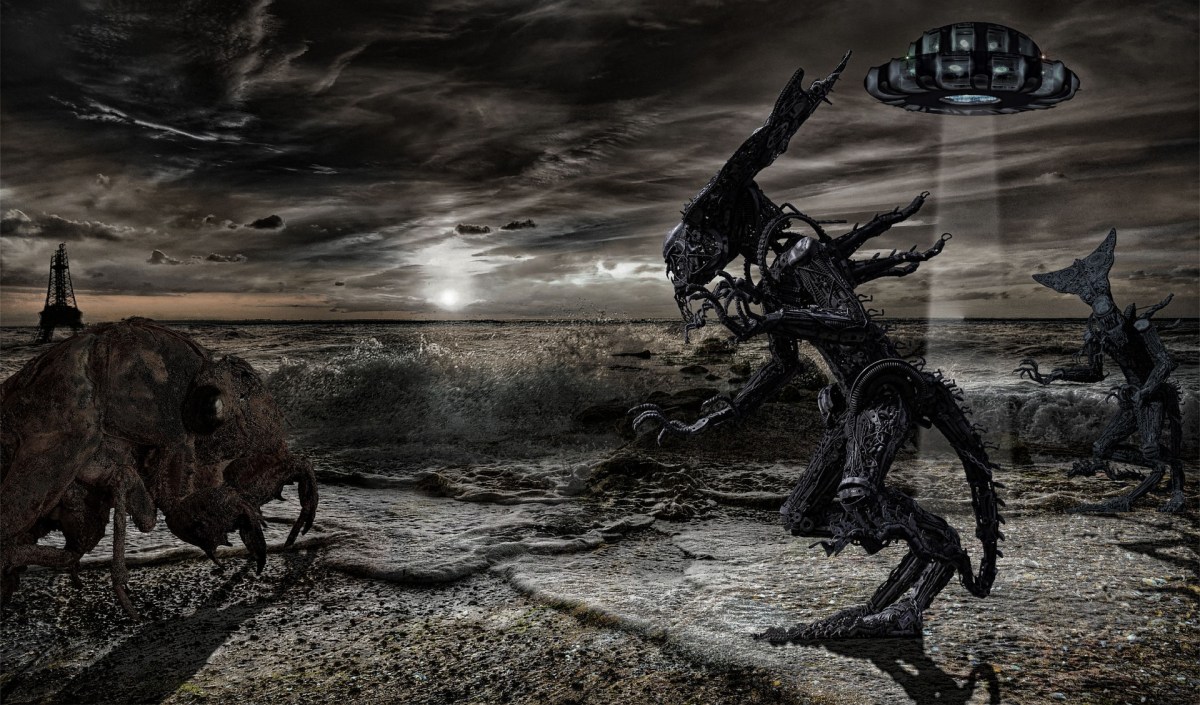
What we wanted most from the books and comics we read, and from the films we watched, were worlds to escape into. When I began writing, I didn’t start with writing stories: I started with trying to make up worlds for my friends. I started with describing the places we fantasized about living in—haunted forests, space stations, moon bases, drowned cities beneath the waves.


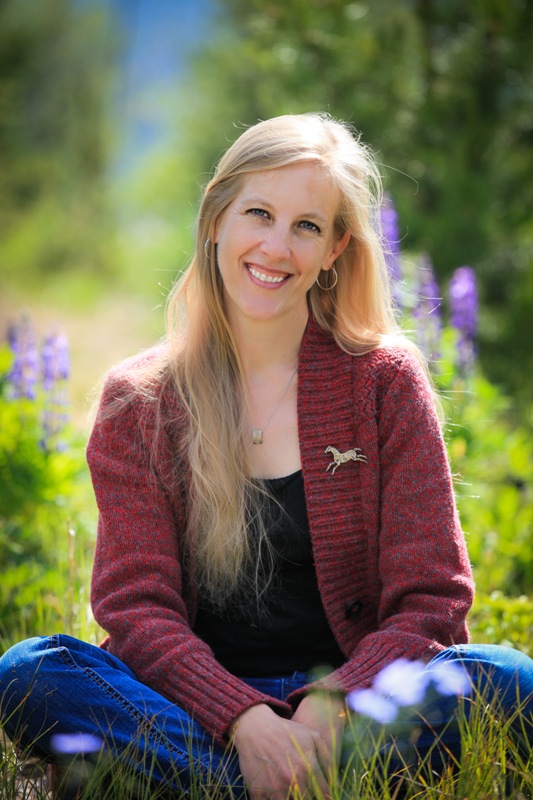

 Stephanie Feldman is the author of the novel The Angel of Losses (Ecco), a Barnes & Noble Discover Great New Writers selection, winner of the Crawford Fantasy Award, and finalist for the Mythopoeic Award, and is the co-editor of the multi-genre anthology Who Will Speak for America? (Temple University Press). Her stories and essays have appeared in Asimov’s, Electric Literature, The Magazine of Fantasy & Science Fiction, The Maine Review, The Rumpus, and Vol. 1 Brooklyn.
 From Earth to the Stars