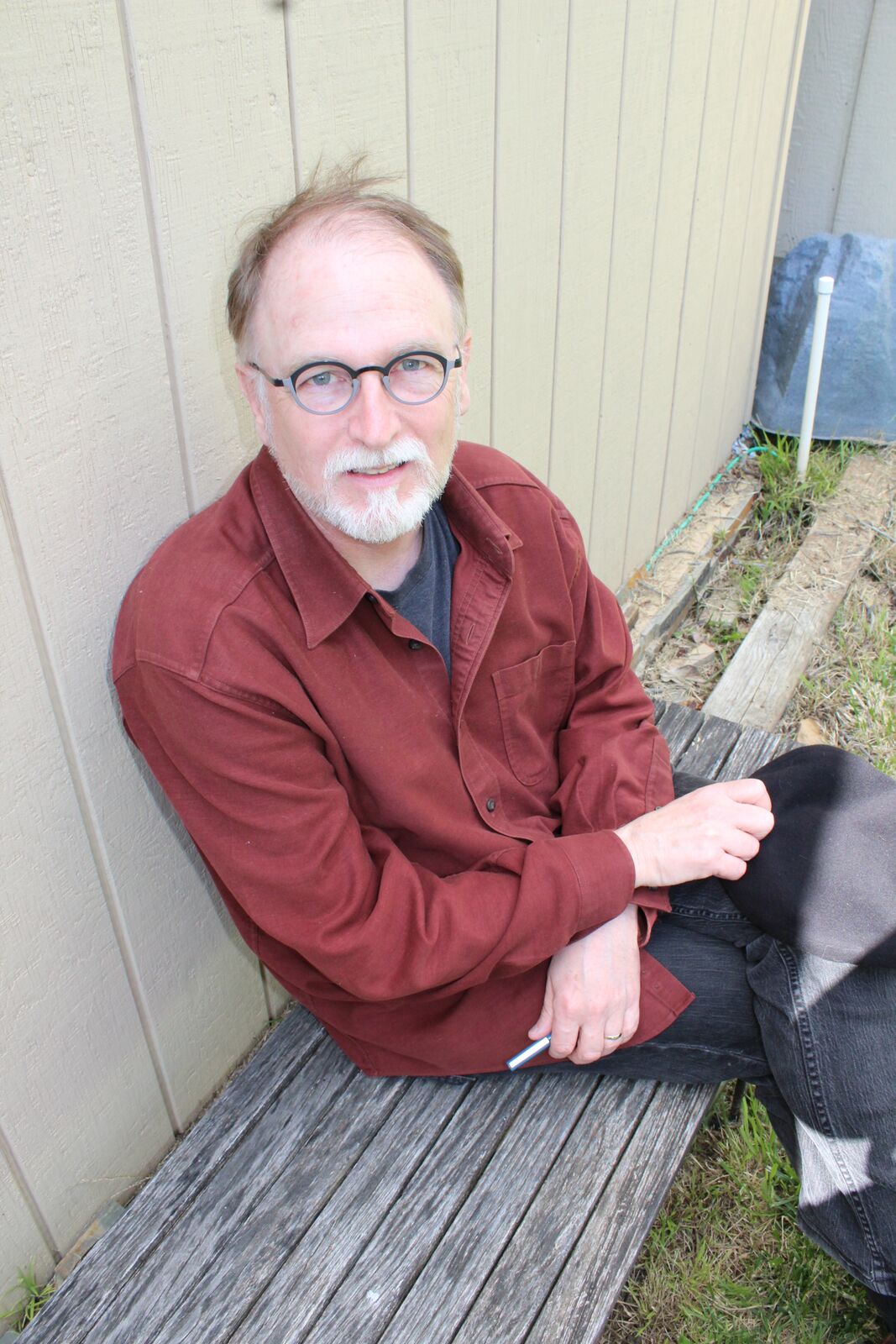
Jack Skillingstead returns to Asimov’s with his imaginative new adventure “Straconia,” in the current issue [on sale now]. He let us in on his writing process, his first Asimov’s sale over a decade ago, and why he finds himself coming back to alienated characters.
Asimov’s Editor: How did the title for this piece come to you?
JS: “Stracony” is a Polish word meaning: “lost.” The story is about lost things and people, and parts of the story have a vaguely eastern European flavor—at least, they do in my mind if not actually on the page. “Straconia,” of course, is not a real word, and I pronounce it the way an American would, not a Polish person. Also, if it were an actual Polish word, the “c” would be a “k” as in: Strakonia. This will drive my Polish friend, Ania, crazy.
AE: How did this story germinate? Was there a spark of inspiration, or did it come to you slowly?
JS: Like most of my stories, it started with a core idea or situation. In this case, the situation was the estranged spouse of my protagonist disappears in the middle of the night to lead an alternate life in Straconia, where she works in a diner. The husband hides behind the seats of the car to find out where she’s been going, and winds up swapping places with her. He soon gets caught up in Straconia’s weird passive-aggressive justice system. From there, he has to figure out how to get back home, which involves defining what home is and why he has always felt shut off from it. That was the situation. The larger idea involved Straconia being a place where not only people but all the lost things wind up. You know, socks, pens, keys, etc. Estrangement is a theme I’ve written a lot about, so it was natural that I would land on that. The trick was not to be repetitive, to find something new to say. Once I started writing I discovered the story in the sentences—as it happened, too many sentences. Straconia came out to around fifteen thousand words. My editor asked me to cut five thousand of them! Naturally this was impossible, but I decided to give it a shot, just as an exercise in brevity. It became a very liberating experience. Every cut made the story better.

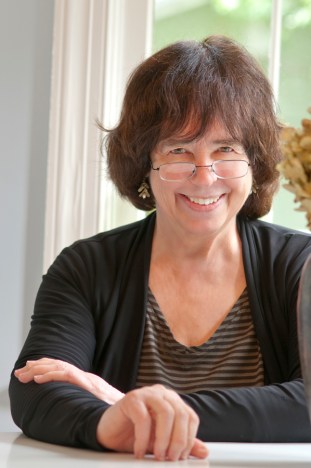 Jane Yolen, often called “the Hans Christian Andersen of America,” is the author of over 365 books, including OWL MOON, THE DEVIL’S ARITHMETIC, SISTER EMILY’S LIGHTSHIP, and HOW DO DINOSAURS SAY GOODNIGHT. The books range from rhymed picture books and baby board books through middle grade fiction, poetry collections, nonfiction, to novels and story collections for young adults and adults. Her books, stories, and poems have won an assortment of awards—two Nebulas, a World Fantasy Award, a Caldecott Medal, the Golden Kite Award, three Mythopoeic awards, two Christopher Medals, a nomination for the National Book Award, the Rysling Award, and the Jewish Book Award, among many others. She was the first woman to give the St Andrews University’s Andrew Lang lecture since the lecture series was started in 1927. She was also the first writer to win the Arts and Humanities award given by the New England Public Radio. A past president of SFWA, she is a World Fantasy Grand Master, a Science Fiction Poetry Association Grand Master, and a Damon Knight Memorial Grand Master. Six colleges and universities have given her honorary doctorates. Also worthy of note, her Skylark Award—given by NESFA, the New England Science Fiction Association, set her good coat on fire. If you need to know more about her, visit her website at: